
شناخت قطعات الکترونیک، تاریخچه اولین ترانزیستورها

تاریخچه اولین ترانزیستورها

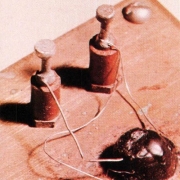
 در اولیــن ماههــای سـال ۱۹۴۸ نخسـتین نمـونـه از یـک ترانزیستور (Transistor) که بدنه فلزی داشت در مجموعه آزمایشگاه‌های Bell ساخته شد. این ترانزیستور که قرار بود جایگزین لامپهای خلاء الکترونیک شود، Type A نام گرفت. Type A که کاربرد عمومی داشت و بسیار خوب کار می کرد یکسال بعد به تعداد ۳۷۰۰ عدد تولید انبوه شد تا در اختیار دانشگاه‌ها، مراکز نظامی، آزمایشگاه‌ها و شرکت‌ها به منظور آزمایش قرار گیرد.

این اختراع در زمان خود آنقدر مهم بود که هر عدد از این ترانزیستورها در بسته‌بندی جداگانه با شماره سریال و مشخصات کامل نگهداری می‌شدند. این ترانزیستور تنها دارای دو پایه بود. Collector (کلکتور) و Emitter (امیتر) و پایه Base (بیس) به بدنه فلزی آن متصل بود.

تولید ترانزیستورهای بدنه فلزی تا سال ۱۹۵۰ ادامه داشت تا اینکه در این سال در آزمایشگاه‌های Bell اولین ترانزیستور با بدنه پلاستیکی ساخته شد. طبیعی بود که در این حالت ترانزیستور می بایست سه پایه داشته باشد. اما به دلیل مشکلاتی که در ساخت این ترانزیستور وجود داشت تولید آن به حالت انبوه نرسید و در همان سال ترانزیستورهای جدید دیگری با پوشش پلاستیکی جایگزین همیشگی آن شدند.

لازم به ذکر است که به عقیده بسیاری از دانشمندان، ترانزیستور بزرگترین اختراع بشر در قرن نوزدهم بوده که بدون آن هیچ یک از پیشرفت های امروزی در علوم مختلف امکان پذیر نبوده است. تمامی پیشرفت های بشر که در مخابرات، صنعت حمل و نقل هوایی، اینترنت، تجهیزات کامپیوتری، مهندسی پزشکی و … روی داده است همگی مرهون این اختراع می باشد.

ترانزیستور وسیله‌ای است که جایگزین لامپ‌های خلاء الکترونیک شد و توانست همان خاصیت لامپ‌ها را با ولتاژهای کاری پایین‌تر داشته باشد. ترانزیستور‌ها عموما” برای تقویت جریان الکتریکی و یا برای عمل کردن در حالت سوییچ بکار برده می‌شوند. ساختمان داخلی آنها از پیوندهایی از عناصر نیمه هادی مانند سیلیکون و ژرمانیوم تشکیل شده است.

شناخت قطعات الکترونیک

Founding of YouTube A Short History (3)

YouTube is one of the most influential platforms in modern media, but its origin story is surprisingly simple: a small team wanted an easier way to share video online. In the early 2000s, uploading and sending video files was slow, formats were inconsistent, and most websites weren’t built for smooth playback. YouTube’s founders focused on removing those barriers—making video sharing as easy as sending a link.

Who Founded YouTube?

YouTube was founded by three former PayPal employees: Chad Hurley, Steve Chen, and Jawed Karim. They combined product thinking, engineering skills, and a clear user goal: create a website where anyone could upload a video and watch it instantly in a browser.

  • Chad Hurley — product/design focus and early CEO role
  • Steve Chen — engineering and infrastructure
  • Jawed Karim — engineering and early concept support

The Problem YouTube Solved

At the time, sharing video often meant emailing huge files or dealing with complicated players and downloads. YouTube made video:

  1. Uploadable by non-experts (simple interface)
  2. Streamable in the browser (no special setup)
  3. Sharable through links and embedding on other sites

Early Growth and the First Video

YouTube launched publicly in 2005. One of the most famous early moments was the first uploaded video, “Me at the zoo,” featuring co-founder Jawed Karim. The clip was short and casual—exactly the kind of everyday content that proved the platform’s big idea: ordinary people could publish video without needing a studio.

Key Milestones Timeline

Year/Date
Milestone
Why It Mattered
۲۰۰۵ YouTube is founded and launches Introduced easy browser-based video sharing
۲۰۰۵ “Me at the zoo” is uploaded Became a symbol of user-generated video culture
۲۰۰۶ Google acquires YouTube Provided resources to scale hosting and global reach

Why Google Bought YouTube

By 2006, YouTube’s traffic was exploding. Video hosting is expensive—bandwidth and storage costs rise fast when millions of people watch content daily. Google’s acquisition gave YouTube the infrastructure and advertising ecosystem to grow into a sustainable business.

What YouTube’s Founding Changed

YouTube didn’t just create a popular website; it reshaped how people learn, entertain themselves, and build careers online. Its founding helped accelerate:

  • Creator-driven media and influencer culture
  • How-to education and free tutorials at massive scale
  • Music discovery, commentary, and global community trends

From a small startup idea to a global video powerhouse, YouTube’s founding is a classic example of a simple product solving a real problem—and changing the internet in the process.